From Budapest to the Alps: Why 2026 Is the Year Hungarian Travellers Rent a Lamborghini in Switzerland
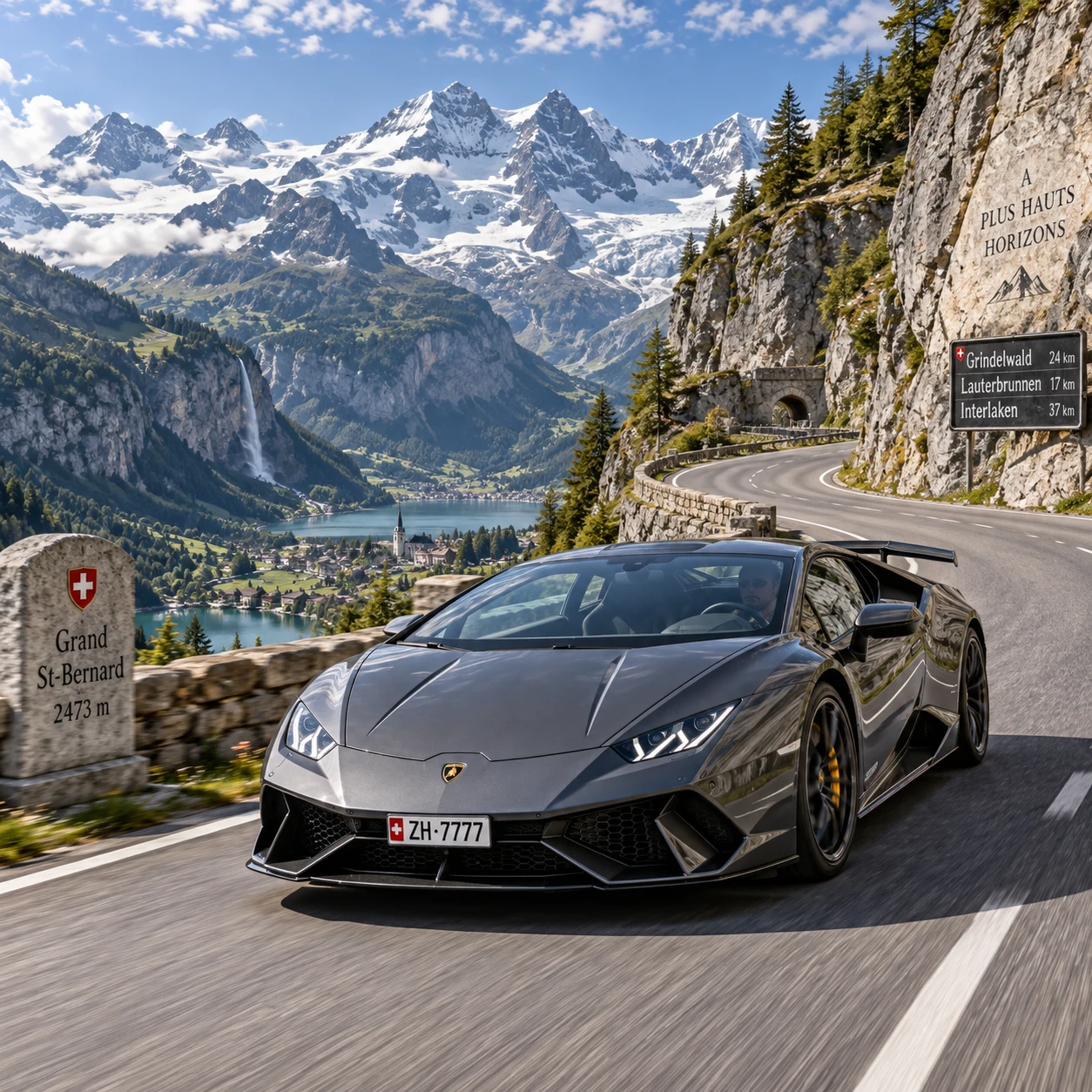
Something's shifted in how Hungarians travel, and I've watched it happen pretty much in real time. Budapest's car culture used to mean weekend meet-ups at City Park — now it's turned into something closer to a genuine obsession with performance driving, and that obsession is crossing borders fast. More Hungarian travellers than ever are skipping the standard city-break itinerary and heading straight for Switzerland, where alpine passes meet Italian horsepower in a combination that's honestly hard to describe until you've lived it. 2026 feels like the tipping point. The year 'renting a supercar in the Alps' stopped being some far-off fantasy and became... well, a realistic, bookable trip. This guide walks through why that's happening, which routes actually deliver, what it costs, and how to book it without getting burned.
Why 2026 Is the Breakout Year for Hungarian Supercar Tourism
A few things lined up at once — and not by accident. Flight connections between Budapest and Swiss hubs like Zurich and Geneva have gotten faster and more frequent, which cuts travel friction down to almost nothing. At the same time, disposable income among Hungarian professionals and entrepreneurs has climbed steadily. Premium travel isn't just about luxury hotels anymore. It's about experiential luxury — driving a supercar through the Alps, say — and that's far more attainable than it was a decade ago.
Then there's social media, which I think gets underestimated here. Instagram and TikTok have turned alpine switchback roads into aspirational backdrops, and Hungarian travellers are chasing the kind of content — and memories — that a weekend in a crowded resort just can't deliver. Add in the broader post-pandemic shift toward bucket-list travel over passive sightseeing, and you've got a perfect storm. Hungarians want experiences that feel earned, photogenic, genuinely thrilling. Driving a V10 through the Furka Pass checks every single box.
Switzerland — The Ultimate Playground for Supercar Enthusiasts
Switzerland isn't just scenic. It's engineered for driving — and that distinction matters more than people realize. The road surfaces are immaculate, signage is clear even deep in remote mountain regions, and the infrastructure supports high-performance cars without the potholes or unpredictable traffic you'd run into in a lot of neighbouring countries. Compare that to Italy's chaotic city traffic or France's hit-or-miss rural road quality, and Switzerland just... wins. The consistency alone makes supercar driving genuinely enjoyable instead of stressful.
Certain alpine stretches also allow higher sustained speeds on open sections, which gives drivers a real shot at feeling what these machines can actually do — all while surrounded by glaciers, pine forests, and switchbacks dramatic enough that no simulator could fake them.
From Budapest to the Alps — Planning the Journey
Most Hungarian travellers I've talked to build their trip around a 3–5 day window. A typical plan goes something like this: fly from Budapest Ferenc Liszt International Airport straight to Zurich (roughly 90 minutes in the air, barely enough time for a coffee and a nap), spend day one settling in and picking up the car, then dedicate two to three days to mountain driving loops. Finish with a relaxed day in Geneva or Lucerne before flying home. Some travellers prefer the train for the final leg between cities — Switzerland's rail network is famously punctual, scenic in its own right too — though nothing really beats rolling up to the mountain base in your own rented machine.
Choosing Your Dream Car for the Trip
When it comes to alpine driving, Italian supercars have a reputation that's hard to touch. The sound alone, echoing off granite cliffs, is reason enough to pick one. Power, prestige, sheer drama — that combination is exactly what turns a mountain pass into something cinematic instead of just scenic.
For Hungarian travellers planning this kind of trip, a Lamborghini rental in Switzerland consistently comes up as the top pick, and honestly, it's not hard to see why. Whether you're drawn to the razor-sharp handling of a Huracán on tight hairpins or the surprising practicality of an Urus for longer stretches with luggage in tow, there's a model suited to nearly every alpine itinerary. Rental packages flex too — daily hires for a single pass, weekend bundles for a proper road trip, or multi-day packages for anyone wanting to string together several routes without rushing through them.
Best Scenic Alpine Routes to Drive
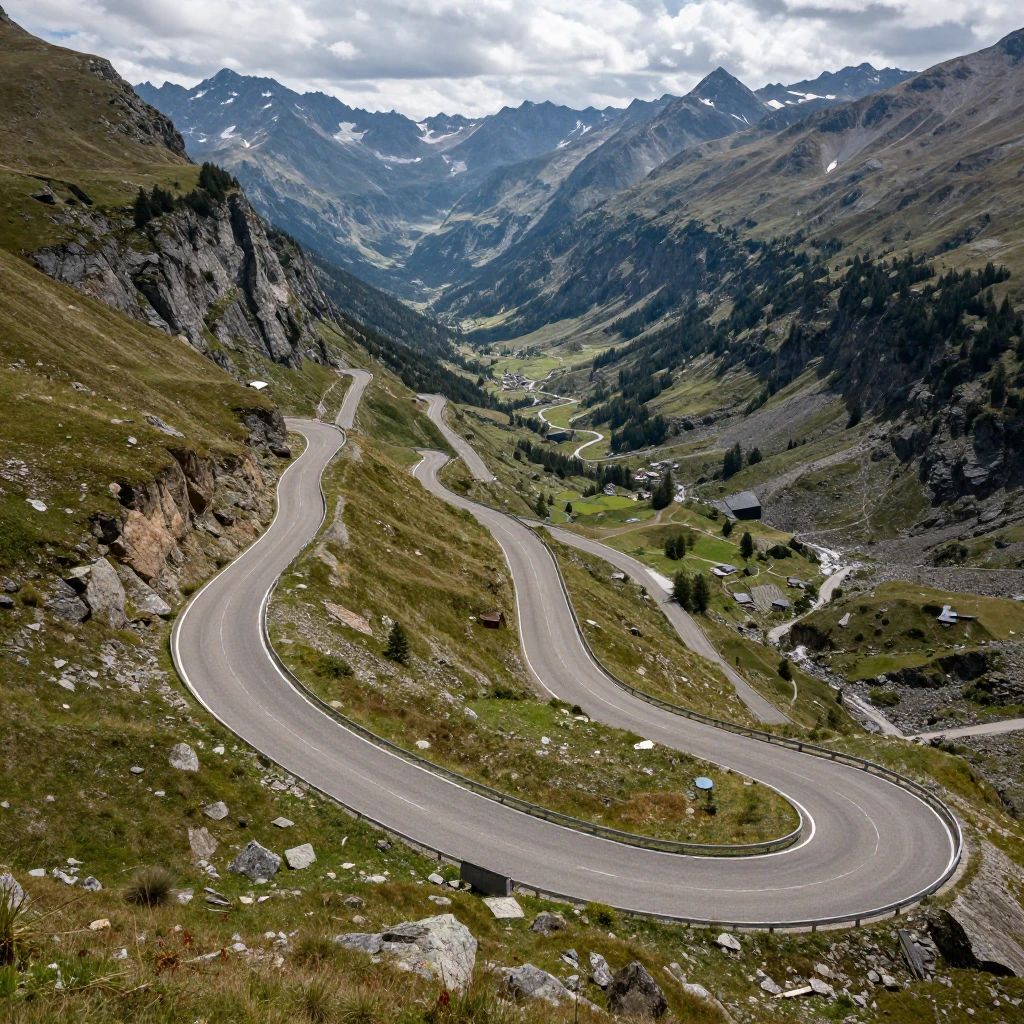
Switzerland's mountain passes are legendary among driving enthusiasts, and for good reason. The Furka Pass offers sweeping curves and jaw-dropping glacier views — famous partly thanks to its James Bond cameo, which locals will mention whether you ask or not. The Grimsel Pass feels more rugged, with steep drops and dramatic reservoir vistas. St. Gotthard Pass combines historical weight with its iconic cobblestone switchbacks near the summit — slower driving, sure, but the photo stops are unforgettable. The Susten Pass rounds things out with smoother curves and some of the most photogenic glacier backdrops in the entire country.
Must-Drive Mountain Passes for First-Timers
If you've never driven in the mountains before, start gentle. The Susten Pass is widely considered the most forgiving — wide lanes, predictable curves, gradual altitude changes. The Grimsel Pass is a bit more technical but still manageable with careful speed control. A few practical tips, learned the hard way by people who didn't follow them: always downshift before entering a hairpin rather than braking mid-turn, watch for sudden weather changes at higher altitudes, and never assume oncoming traffic has full visibility around blind corners. Mountain driving rewards patience far more than it rewards speed. Every time.
Costs, Pricing, and What to Expect
Pricing for a supercar rental in Switzerland typically falls into a few tiers. Daily rentals suit travellers who want one unforgettable drive and nothing more. Weekend packages — usually two to three days — offer better value per day for anyone planning multiple passes. Week-long rentals, often chosen by travellers combining city stays with mountain routes, tend to bring the best overall daily rate.
Expect a security deposit — standard across the industry, and it protects both sides. Insurance terms vary quite a bit, so it's worth actually reading the fine print on deductibles and coverage limits before signing anything (I know, nobody wants to, but do it anyway). Beyond the base rental fee, budget for fuel — performance engines are thirsty, no way around that — Swiss motorway tolls (a vignette sticker is required), and optional extras like a chauffeur service if you'd rather enjoy the scenery as a passenger on certain legs. Compared to similar rentals in France or Italy, Switzerland's pricing is often surprisingly competitive once you factor in the better road conditions and lower risk of traffic delays. You get more actual driving time for your money, which is really what matters here.
Booking Tips and Best Practices for Hungarian Travellers
Book well ahead, especially for a summer trip. July and August are peak season for alpine driving, and the best vehicles get reserved months out. Hungarian travellers should confirm license requirements before departure — a standard EU driving license is usually accepted, but it's worth double-checking age minimums and any extra documentation the rental provider might ask for.
Read insurance terms carefully, particularly around excess damage waivers, since mountain roads carry a bit more risk than city driving. Build buffer time into your itinerary too. Weather can shift fast at altitude, and you'll want the flexibility to push a pass drive back a day if conditions aren't cooperating. And if Lamborghini isn't quite your style, it's worth browsing the broader selection at https://supercarrentalswitzerland.com/en/supercar/, where other prestigious marques are available for travellers who want to compare performance characteristics before committing to anything.
Conclusion
2026 really does feel like the right year for this. Flight connections are smoother, the appetite for genuine experiential travel is stronger than ever among Hungarians, and Switzerland remains unmatched as a destination that rewards ambitious driving with equally ambitious scenery. If you've been dreaming about trading Budapest's city streets for an alpine hairpin behind the wheel of something extraordinary — there's no better time to start planning. The roads are waiting, the cars are ready, and the memories will outlast the fuel receipts by a long way. By quite a lot, actually.
FAQ
Do I need an international driving license from Hungary to rent a car in Switzerland?
In most cases, a standard EU driving license does the job, but it's smart to confirm with your rental provider ahead of travel — especially if your license is older or close to expiry.
What's the minimum age to rent a Lamborghini in Switzerland?
Age requirements vary by provider, but most ask for drivers to be at least 25, plus a minimum number of years holding a valid license.
Which season is best for alpine supercar drives?
Late spring through early autumn — May to September — offers the best mix of open passes, dry roads, and clear mountain visibility.
Are there mileage limits on rentals?
Many packages include a generous daily mileage allowance built for pass-hopping, though it's worth confirming limits in advance if you're planning an especially long route.
Can I combine city sightseeing with mountain driving in one trip?
Absolutely — most Hungarian travellers structure their itinerary exactly this way, splitting time between Zurich or Geneva and one or two days dedicated to alpine passes.